Why Earbuds Sound Different
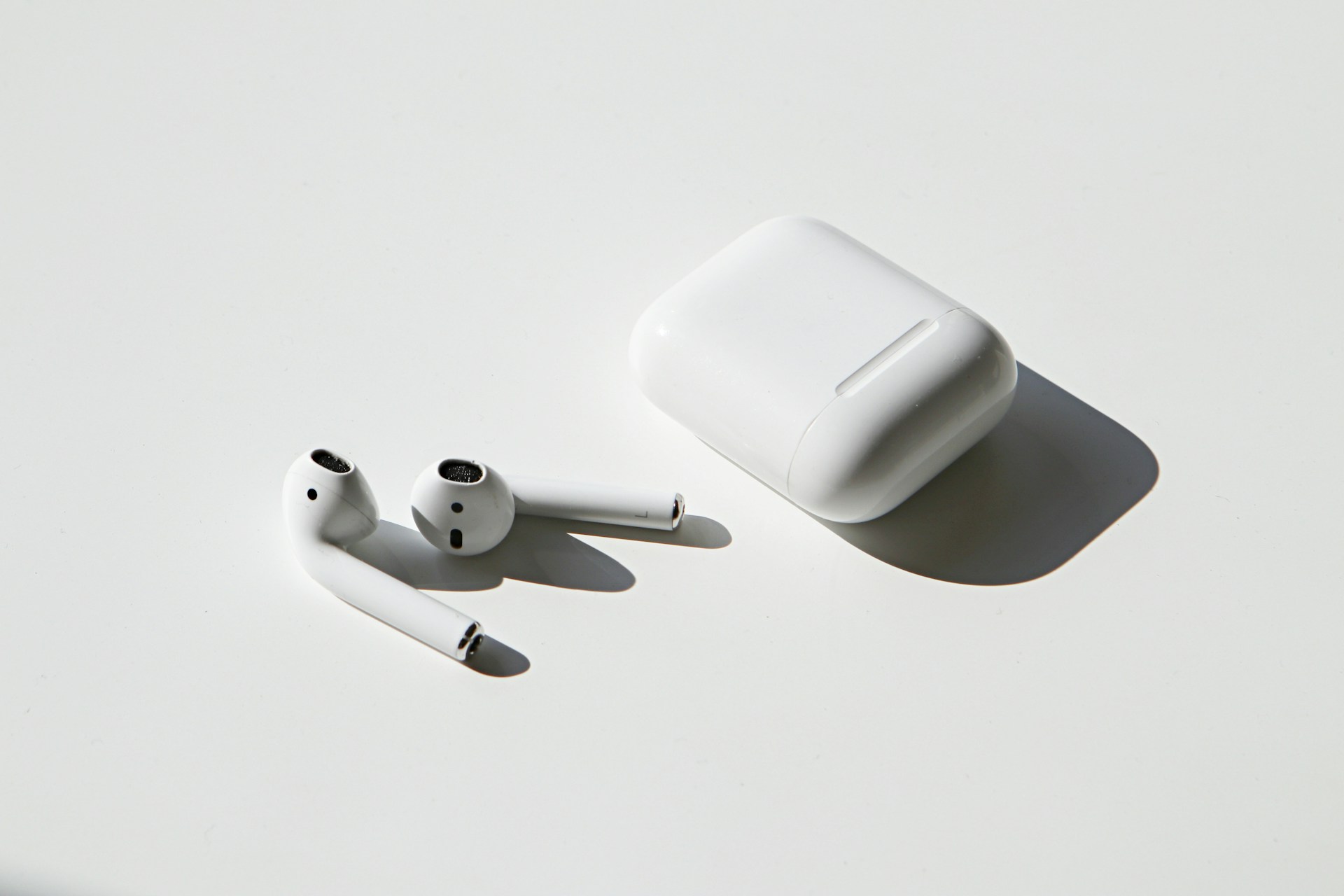
Sound quality used to follow a simple rule: wired meant better. That rule started breaking when wireless earbuds gained dedicated DSP chips and tuned frequency profiles at scale. Apple’s H1 and H2 chips, Qualcomm’s QCC series, and Sony’s integrated processors changed how audio gets shaped before it reaches your ear.
Bluetooth codecs matter here. AAC, aptX, and LDAC all compress audio differently, and modern earbuds actively compensate for those losses using onboard tuning curves. A $120 pair today often ships with calibration work that older wired headphones never had at production level.
Skip old assumptions about cables. They no longer decide outcome alone.
In 2024, Bluetooth 5.3 adoption passed 70% in new audio devices, according to Bluetooth SIG data. That shift reduced latency and stabilized transmission quality across midrange earbuds. You hear fewer dropouts and cleaner mid frequencies even at 10 meters distance.
That changes perception quickly.
Where Listening Goes Wrong
Most listeners judge earbuds in uncontrolled conditions. Subway noise, office chatter, and uneven fit distort perception more than codec choice ever will. A poorly sealed ear tip can remove up to 10 dB of bass response instantly.
Expectation bias also plays a role. Wired headphones feel “serious,” so people assume they must sound better before even listening. That expectation shapes feedback loops in reviews and buying decisions.
Sound does not care.
Another issue comes from source quality. Streaming platforms like Spotify and Apple Music use different compression levels depending on settings. A 256 kbps stream through wired headphones can sound worse than a lossless stream pushed through tuned wireless earbuds.
Invert the assumption. Hardware rarely works alone.
Battery-powered earbuds also apply adaptive EQ curves in real time. They adjust bass response during movement, something passive wired headphones cannot do without external amps or DACs.
Fixes That Change Audio
Use Proper Ear Seal
Ear tip fit decides low-frequency response more than drivers in many cases. Silicone tips that seal properly can increase perceived bass by 6–12 dB depending on ear shape.
Most people use default tips and never test alternatives. That single decision often decides whether earbuds sound thin or full.
Small change. Big shift.
Switch Codec Support
Not all Bluetooth codecs behave equally. AAC works well on iOS devices, while LDAC delivers higher bitrate on supported Android phones. AptX Adaptive adjusts dynamically based on signal quality.
A mismatch between phone and earbuds can flatten audio detail. Matching codec support improves clarity without changing hardware.
Check settings first.
Adjust EQ Profiles
Most modern earbuds ship with app-based equalizers. Sony Headphones Connect, Bose Music, and Samsung Galaxy Wearable allow curve adjustments across bass and treble ranges.
A mild bass lift of +3 dB often corrects perceived thinness without distortion. Over-adjustment, however, compresses midrange detail.
Less works better here.
Enable Spatial Audio
Spatial audio processing spreads sound across a simulated field. Apple Spatial Audio and Dolby Atmos profiles create directional cues that wired stereo headphones cannot reproduce natively.
This effect changes perception of depth rather than raw fidelity. It works best with video and gaming content.
Position matters now.
Update Firmware Regularly
Manufacturers now push audio tuning updates after release. Firmware updates on earbuds like AirPods Pro or Sony WF-1000XM series often adjust EQ curves and ANC behavior.
One update can shift bass response or clarity without changing hardware. Ignoring updates leaves performance on older tuning profiles.
Old software, older sound.
Control Listening Volume
Louder does not mean better. Human hearing sensitivity peaks between 2–5 kHz, which means slight volume increases can exaggerate detail unfairly.
Keeping playback around 60–70% on most devices preserves balance and prevents fatigue during long sessions.
Volume skews judgment.
Real World Tests
A comparison between Sony WF-1000XM5 earbuds and a midrange wired Sennheiser HD 560S setup shows something unexpected. In controlled listening at matched volume, the Sony earbuds delivered stronger perceived bass and clearer vocal separation in compressed streaming tracks.
The wired headphones still won in raw dynamic range during lossless playback through a dedicated DAC. That difference becomes noticeable only above 85 dB SPL in quiet rooms.
Context decides winner.
Another test using Apple AirPods Pro (2nd gen) against wired EarPods showed a wider soundstage on wireless due to adaptive spatial processing. The wired set sounded flatter but slightly more neutral in mids.
Tradeoffs replace hierarchy.
Quick Comparison Table
| Factor | Wireless | Wired | Outcome |
|---|---|---|---|
| Processing | DSP tuning | Passive | Wireless shapes sound |
| Latency | Low | Near zero | Wired still wins gaming |
| Sound tuning | Adaptive EQ | Fixed response | Wireless feels fuller |
Common Audio Mistakes
People often assume price equals clarity. That assumption fails quickly in wireless audio because tuning matters more than driver size.
Another mistake involves ignoring fit. Loose earbuds lose bass instantly, while tight seals can exaggerate low end unnaturally.
Hardware obsession hides reality.
Users also compare devices at different volumes. A slightly louder device will always feel better, even if quality stays identical.
Then there is codec confusion. Many buyers assume aptX always beats AAC, but device optimization often reverses that outcome depending on ecosystem.
Context shapes perception more than specs alone.
FAQ
Do wireless earbuds now match wired quality?
In many streaming scenarios, yes. Wired setups still win in high-resolution lossless playback, but wireless earbuds often sound fuller due to tuning and DSP.
Why do wireless earbuds sound louder?
They apply built-in amplification and EQ curves. This boosts perceived loudness even at the same volume level.
Does Bluetooth reduce sound quality?
Compression exists, but modern codecs like LDAC and AAC reduce noticeable loss for most listeners.
Are expensive wired headphones still better?
They outperform in controlled, high-resolution setups. In daily use, differences shrink significantly.
Can earbuds improve after updates?
Yes. Firmware updates often adjust tuning, noise cancellation, and frequency balance.
Author's Insight
I stopped assuming wired always wins after testing modern earbuds across different rooms and devices. The gap narrowed faster than expected once DSP tuning entered consumer audio at scale.
Most people judge sound in motion, not silence. That alone shifts results more than specifications ever do...
Summary
Wireless earbuds sound better in many cases because they actively shape audio, not just transmit it. Wired headphones still hold advantages in raw fidelity setups, but everyday listening depends more on tuning, fit, and software than cables.
Choose based on use, not tradition. Then test in your own environment before deciding what “better” means for you.