Plan A Weekend That Helps
A free weekend at home works best when you treat it like a short recovery block rather than a blank slate. Many people start with “catch-up” tasks and end up with late nights, skipped meals, and a house that still feels messy. A better approach uses a few anchors: sleep timing, one movement session, one meal plan, and one low-effort reset for your environment. If you want a concrete starting point, pick a wake time you can keep within 60 minutes on both days, then schedule everything else around that.
For example, you can set a “morning light” routine by opening curtains within 30 minutes of waking. That small habit often supports a more consistent sleep rhythm, especially if you spend weekday mornings in dim light. Then you choose one physical activity that fits your body that day: a 20–40 minute walk, a beginner strength circuit, or a mobility session. You also decide how you’ll handle food: either cook two simple meals or prep ingredients so cooking doesn’t become a stressor. The goal is not to do everything; it’s to reduce decision fatigue so your weekend doesn’t turn into a second workweek.
Common Mistakes And Hidden Dependencies
People often get the weekend plan wrong in predictable ways. They schedule too many “high effort” tasks back-to-back, then compensate with late-night scrolling. They also underestimate how much sleep debt affects appetite, pain sensitivity, and motivation. Another frequent issue is treating chores as exercise, which can leave you sore without improving fitness. Chores can be part of the day, but they rarely match the intensity and progression needed for strength or cardiovascular benefits.
Supporting technologies and dependencies shape what you can do at home. Your sleep rhythm depends on light exposure, caffeine timing, and screen brightness; your activity depends on footwear, floor space, and safe movement patterns; your food depends on pantry inventory and time for cooking. Even “relaxation” depends on your environment: a noisy room or an uncharged phone can pull you back into stress. If you use a fitness app, check whether it counts steps from your phone versus a watch; the difference changes how you interpret your progress. I’ve seen people aim for 10,000 steps based on a phone-only count, then feel discouraged when a watch later shows a lower number—same behavior, different measurement.
Planning also depends on health constraints. If you have asthma, knee pain, or migraines, the safest weekend activities still require pacing and symptom monitoring. If you’re managing blood pressure, blood sugar, or recovery after surgery, you need to follow your clinician’s activity guidance. Evidence-based advice stays general here because individual medical limits vary, and a weekend plan should respect that.
Weekend Actions That Actually Work
Set Sleep And Light Anchors
Pick one wake time target for both days and keep it within about an hour. Then decide on a “lights on” moment: open curtains or step outside for a few minutes soon after waking. If you use a screen, reduce brightness and avoid high-intensity content late at night; many people notice they fall asleep later after doom-scrolling. A practical tool is a phone bedtime schedule or Focus mode, but test it rather than assuming it blocks everything. On my own devices, iOS Focus schedules can miss notifications when the app is set to “deliver immediately,” which defeats the point.
For caffeine, use a cutoff that matches your sensitivity. A common rule of thumb is stopping caffeine 6–8 hours before bed, but some people need earlier. If you’re unsure, run a small experiment: keep caffeine timing consistent for two days and compare sleep onset. Track only one variable at a time so you can interpret results without guesswork.
Choose One Movement Block
Pick one movement session that you can complete even if the day goes sideways. A realistic target for many adults is 20–40 minutes of moderate activity, such as brisk walking, cycling on a stationary bike, or a low-impact cardio routine. If strength training fits your goals, use a short circuit: 2–3 sets of 6–10 reps for movements like squats to a chair, wall push-ups, hip hinges with a light weight, and supported rows. Keep form clean and stop before pain changes your technique.
If you’re new to exercise, start with 10–15 minutes and build gradually. A simple progression is adding 5 minutes each weekend until you reach your chosen duration. For mobility, a 10-minute routine can reduce stiffness, especially if you sit a lot; focus on hips, thoracic spine, and ankles. If you feel sharp pain, numbness, or worsening symptoms, stop and switch to gentler range-of-motion work.
Plan Food With Low Friction
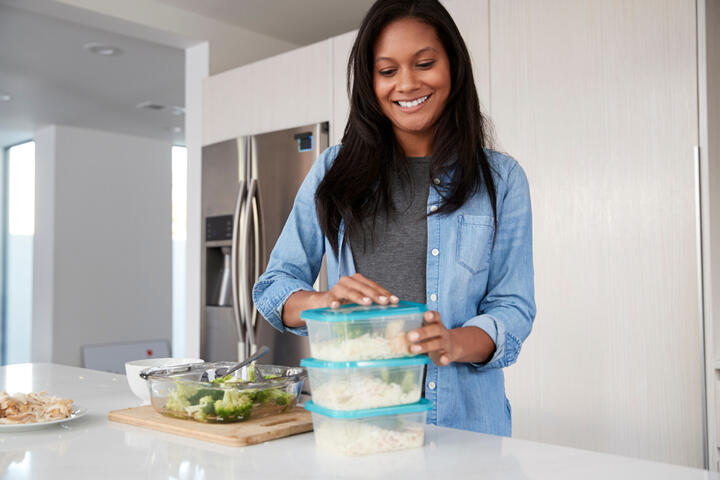
Food planning works when it reduces decisions. Choose either two meals to cook fully or one meal to cook and one to assemble from prepped ingredients. A low-friction approach is “sheet-pan dinner” plus a breakfast you can repeat. For example, roast vegetables and a protein together, then add a sauce you already like. If you want a simple breakfast, consider overnight oats or yogurt with fruit and nuts.
Use a quick inventory check before you shop. Write down what you already have, then pick meals that use those items. This avoids the common weekend trap: buying extra groceries for a plan that collapses after the first busy hour. If you track nutrition, remember that apps vary; a calorie estimate is not a medical measurement. For people managing diabetes or kidney disease, follow clinician guidance on carbohydrate and sodium targets rather than relying on generic app numbers.
Do One Reset For Your Space
A clean environment can reduce stress, but the reset should stay bounded. Choose one zone: kitchen counters, bathroom surfaces, or a single room corner. Set a timer for 20–30 minutes and stop when it ends, even if you still see clutter. That “stop rule” prevents the weekend from turning into a marathon. If you’re working with limited energy, focus on visible surfaces and trash first; it creates a noticeable improvement quickly.
For digital clutter, pick one action: delete unused apps, clear downloads, or organize photos into a single folder. If you use a password manager, check whether you have duplicate accounts or old logins you no longer need. I’ve found that a 15-minute cleanup on a Saturday reduces Sunday anxiety more than any “productivity system,” which is a mild frustration because it feels too simple to matter.
Case Examples You Can Copy
Example 1: The Chore Spiral
Jordan had a free weekend and planned to “finish everything.” Saturday turned into cleaning until 1 a.m., then Sunday started late with skipped breakfast and a takeout lunch. By Sunday evening, Jordan felt more tired than before and still had laundry in baskets. The fix was a reset plan: a consistent wake time, a 30-minute walk on Saturday morning, and a single 25-minute kitchen reset. Jordan cooked one meal with prepped ingredients and kept the rest simple. The house looked better, and the sleep schedule returned to normal within two nights.
Example 2: The Fitness-But-No-Recovery Plan
Sam wanted to “make up for the week” by doing a long workout and a deep-cleaning session. The next day brought muscle soreness and a headache that made movement feel harder. Sam adjusted by splitting the weekend: one 25-minute moderate activity session on Saturday, a mobility routine on Sunday morning, and shorter chores with breaks. Sam also moved caffeine earlier in the day and stopped screens 45 minutes before bed. The weekend still included progress, but it didn’t trigger the same recovery crash.
Checklist For A Balanced Weekend
| Decision | Pick One Option | Time Budget | What To Watch |
|---|---|---|---|
| Sleep anchor | Wake within 60 min of your target | Set once, repeat both days | Late-night screens push bedtime later |
| Movement block | 20–40 min walk or short circuit | 1 session per day | Pain changes form; stop and switch |
| Food plan | Cook 1–2 meals; prep ingredients | 60–90 min total cooking | Decision fatigue leads to takeout |
| Reset zone | 20–30 min single area | One timer, then stop | Over-cleaning steals rest time |
If you want a step-by-step version, use this order: choose wake time → schedule one movement block → plan two meals or one cook plus prep → set a 25-minute reset timer → reserve one “no plan” hour. That last hour matters because it prevents the weekend from collapsing when something takes longer than expected.
Common Mistakes To Avoid
One mistake is building a plan that depends on perfect energy. If you schedule a full deep-clean plus a long workout, you’ll likely cut sleep and food when energy drops. Another mistake is ignoring symptom signals. If you feel dizziness, chest discomfort, or severe shortness of breath, stop activity and seek medical advice; a weekend plan should not override safety.
People also overestimate how much they can “catch up” on. A more realistic approach is to pick tasks that reduce friction for the coming week, like restocking basics, organizing laundry into one hamper, or prepping a grocery list. If you use a habit tracker, avoid turning it into a guilt machine; missing a checkmark after a bad night is not a failure of character. On the practical side, apps sometimes change their metrics after updates; I noticed this after a calendar integration update in 2024 that shifted how reminders appeared.
Finally, avoid vague wellness goals. “Relax” without a method often becomes scrolling. “Get fit” without a plan often becomes random intensity. Choose a specific action you can describe in one sentence, then decide how you’ll scale it down if needed.
FAQ
How do I plan a weekend if I’m tired?
Choose one movement block and one reset zone, then protect a consistent wake time. Use shorter sessions (10–20 minutes) and stop before pain changes your form.
What should I do first: chores or exercise?
Do the movement block first when energy is highest, then schedule chores with timers. This reduces the chance that fatigue turns exercise into avoidance.
How can I avoid late-night screen habits?
Set a screen cutoff window (for example, 30–60 minutes) and use a bedtime schedule or Focus mode. If notifications still break the cutoff, adjust per-app settings.
Is it okay to cook fewer meals on a free weekend?
Yes. Cooking one meal plus prepping ingredients often beats cooking multiple complicated dishes. Keep meals simple and repeatable to reduce decision fatigue.
What if I have a health condition that limits activity?
Follow your clinician’s activity guidance and choose lower-impact options. If symptoms worsen during movement, stop and switch to gentle mobility or rest.
Author's Insight
A free weekend at home works best when it protects sleep timing, includes one realistic movement session, and reduces food decisions. Many “wellness” plans fail because they ignore dependencies like light exposure, caffeine timing, and the way fatigue changes motivation. Evidence-based guidance supports pacing and symptom monitoring, but individual medical limits vary, so a weekend plan should respect clinician advice. If you want a measurable approach, track only one or two outcomes such as bedtime consistency and how long you can sustain a walk without symptom flare.
Key Takeaways
- Anchor the weekend with a consistent wake time and a morning light routine.
- Schedule one movement block per day and scale it down when energy drops.
- Plan food to reduce decisions: cook 1–2 meals or prep ingredients for quick assembly.
- Use a timer for one reset zone so chores don’t steal recovery time.
- Watch symptoms and follow medical guidance when health conditions limit activity.