Tap Moment Explained
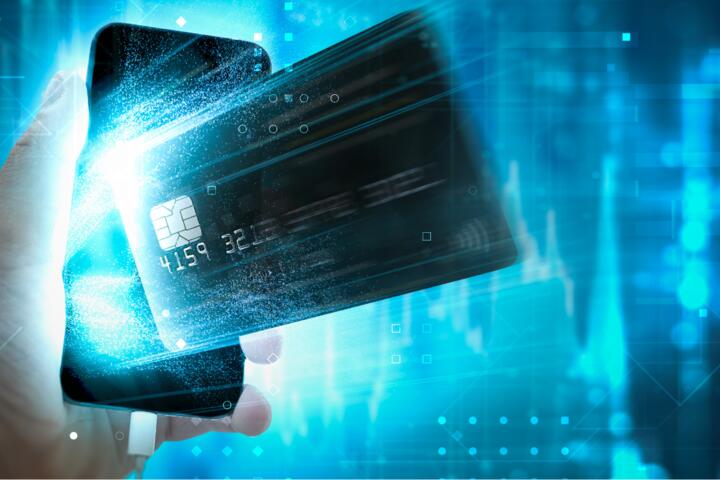
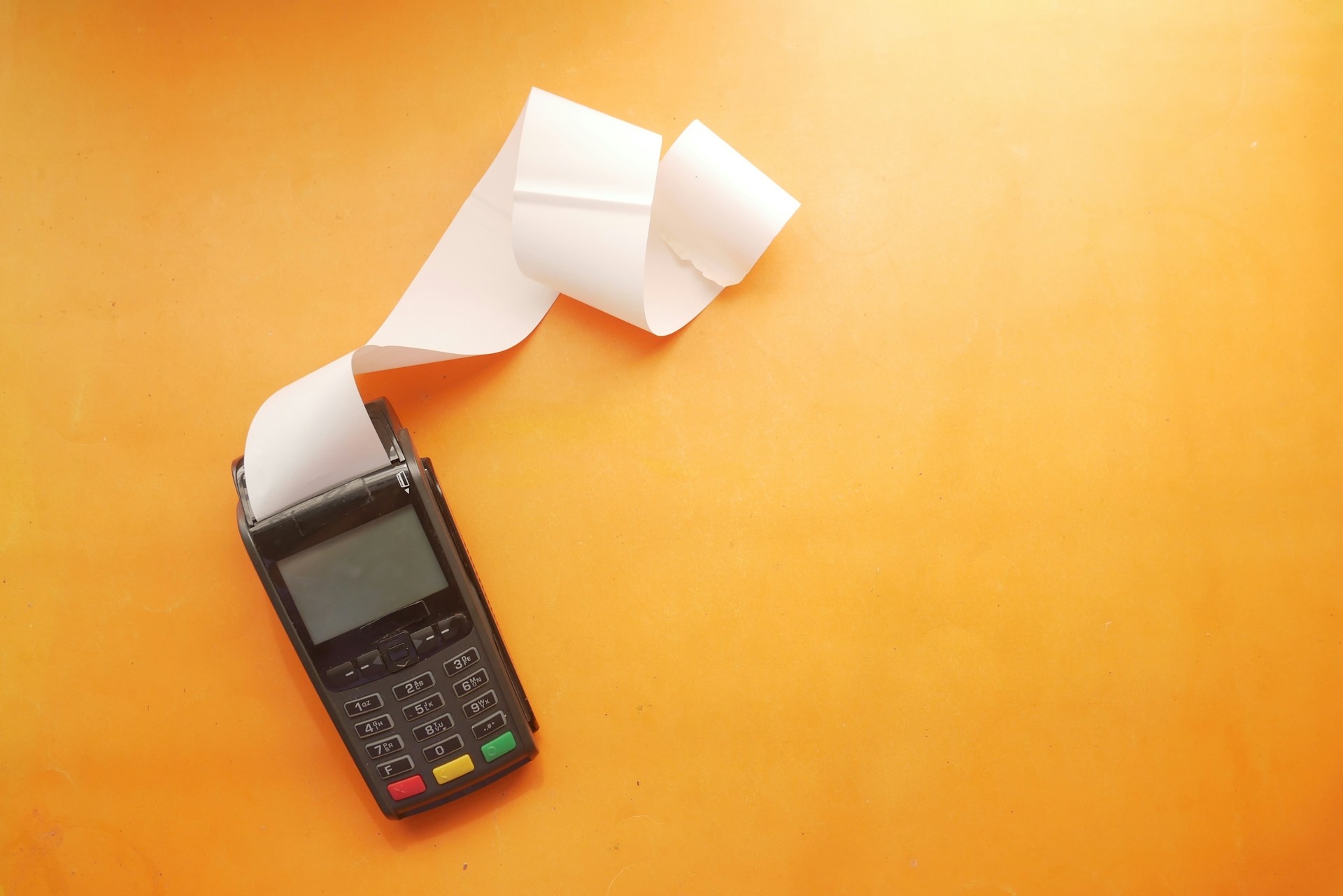
You tap a card or phone against a terminal and the payment feels instant. Under that motion sits near-field communication (NFC), a system that works within about 4 cm. The terminal reads a token, not your real card number, and sends it into a verification flow that often completes in under 300 milliseconds.
Visa and Mastercard processes handle most of this routing. Apple Pay and Google Pay replace your card details with device-specific tokens stored in a secure element. That means the merchant never sees your actual card number.
A single tap hides a chain of messages. Terminal. Acquirer. Network. Issuer. Approval returns the same route in reverse.
Stop tapping twice. Double approvals create confusion.
About 70% of in-store card transactions in parts of Europe now use contactless methods, according to industry payment reports from 2025. The speed feels like magic. It is not.
Some taps still fail in low signal environments. Subway kiosks and underground stations show this often. The device waits, then retries. Or it does not...
Where People Get It Wrong
Most users assume contactless equals offline approval. That is not true. Each tap still checks funds or credit limits in real time through issuer systems.
People also assume the phone stores card details during Apple Pay or Google Pay use. It does not. Tokenization replaces the number with a rotating identifier tied to the device and merchant.
Stop thinking tap equals offline. It does not.
Another mistake is assuming failed taps mean no charge attempt happened. Some terminals still send a pending authorization that appears hours later. That creates the illusion of a delayed double charge.
Small confusion leads to disputes. Banks see thousands daily.
Signal strength, terminal age, and software version all affect outcomes. A 2018 terminal behaves differently from a 2024 NFC reader, even if both accept tap payments.
Inside The Payment Chain
The tap triggers a structured flow. NFC exchanges a token, then the terminal sends it to a payment processor. The processor routes it through Visa or Mastercard networks. The issuing bank responds with approve or decline.
Each step takes milliseconds, but not zero time. Around 200–600 ms is common in urban environments with stable connectivity.
Stop assuming instant means local. It never is.
Tokenization reduces fraud exposure. If a merchant database leaks, stolen tokens cannot be reused elsewhere because they are bound to device, merchant ID, and cryptographic keys that rotate regularly.
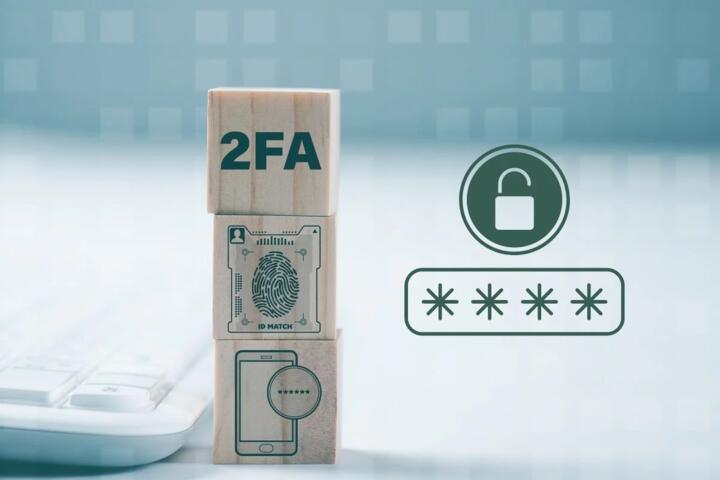
Authentication layers vary. Apple Pay uses Face ID or Touch ID in many cases. Google Pay uses device unlock methods. Cards alone rely on proximity plus optional PIN entry for higher amounts.
Transactions above €50 in parts of Europe may still trigger PIN prompts under PSD2 rules. That threshold changes by region and risk score.
Control Tap Behavior
Set Spending Alerts
Mobile banking apps from Revolut, N26, and traditional banks like Deutsche Bank let users set real-time notifications. A €10 alert threshold catches small repeated taps that stack quickly.
Alerts reduce surprise spending cycles. A single day of transit taps can reach €25 without noticing.
Messages arrive within seconds.
Disable Card Cloning Risk
Physical cards still carry NFC chips that can be read at close range. Disable contactless on the card if daily use happens mostly through phone wallets.
Stop keeping both active. Redundant payment paths create tracking confusion.
Some banks allow toggling NFC on and off inside app settings.
Check Token Devices
Each wallet generates device-specific tokens. Apple Wallet ties tokens to Secure Enclave hardware. Google Wallet binds them to Android Keystore.
If a phone is replaced, tokens must reinitialize. Old ones expire automatically in most systems within 24–72 hours.
Device mismatch triggers declines.
Track Offline Limits
Some transit systems and vending machines accept offline taps up to a capped value, often around €15–€20. These are later reconciled in batches.
That delay can create clustered charges on bank statements.
People misread timing as duplication.
Watch Merchant Terminals
Older terminals lack updated firmware for token validation. This can result in fallback to magstripe-like behavior, which increases fraud exposure.
Modern EMV terminals display contactless icons and process encrypted tokens only. The difference matters at scale.
Hardware age still matters.
Use Wallet Limits
Apple Pay and Google Pay do not set strict global limits, but banks sometimes apply per-transaction caps. Setting personal spending caps inside banking apps adds another layer of control.
A €100 daily cap prevents accidental stacking of small purchases during travel days.
Limits reset automatically.
Tap Patterns Table
| Type | Speed | Risk | Note |
|---|---|---|---|
| Card Tap | 250ms | Medium | Tokenized chip |
| Phone Wallet | 180ms | Low | Biometric auth |
| Offline Tap | 100ms | Higher | Batch sync later |
Common Tap Errors
Users often blame the terminal when a tap fails. In reality, failure can come from expired tokens, weak NFC alignment, or issuer-side risk checks.
Another frequent issue is accidental double tapping. Stop tapping twice. Duplicate signals trigger two separate authorization attempts under poor alignment conditions.
People also ignore app notifications. Banks send instant declines or holds, but users miss them and retry at the terminal, compounding confusion.
Stop ignoring declines. They carry meaning.
Weak phone batteries reduce NFC stability. Below 10% battery, some devices throttle background processes that support wallet authentication.
Older cards with worn chips also fail more often at contactless readers, especially in high-use environments like metro gates.
FAQ
Is contactless payment safe?
Yes in most cases. Tokenization replaces real card numbers with rotating identifiers. Even if intercepted, the data cannot be reused across merchants.
Why do contactless payments sometimes fail?
Failures usually come from weak NFC alignment, expired tokens, or issuer risk checks. Terminal hardware age also plays a role in processing stability.
Can someone steal money with NFC?
Direct theft through NFC is rare. Range limits around 4 cm and encrypted tokens reduce exposure. Fraud more often comes from phishing or account compromise.
Why did I get two charges after one tap?
This often comes from delayed settlement or repeated authorization attempts. One entry is pending, the other is final. They usually merge later in statements.
Do contactless payments work offline?
Some transit and vending systems support limited offline approval with later reconciliation. Standard retail purchases require online authorization.
Author's Insight
Contactless payments feel frictionless, but they still depend on old banking infrastructure running under modern interfaces. I have seen cases where a 300 ms tap hides 40 years of layered payment protocols.
The biggest misunderstanding comes from timing. People treat the tap as final, while banks treat it as conditional until settlement clears.
The gap between those two views is where confusion lives...
Summary
Contactless payments run on tokenization, NFC, and real-time authorization between banks and payment networks. Visa and Mastercard move data through multiple nodes in under a second. Most issues come from timing, signal, or misunderstanding of how approval works.
Check alerts, watch token behavior, and avoid repeating taps when a terminal hesitates. The system is fast, but not simple under the hood.