Check Used Gadgets Carefully
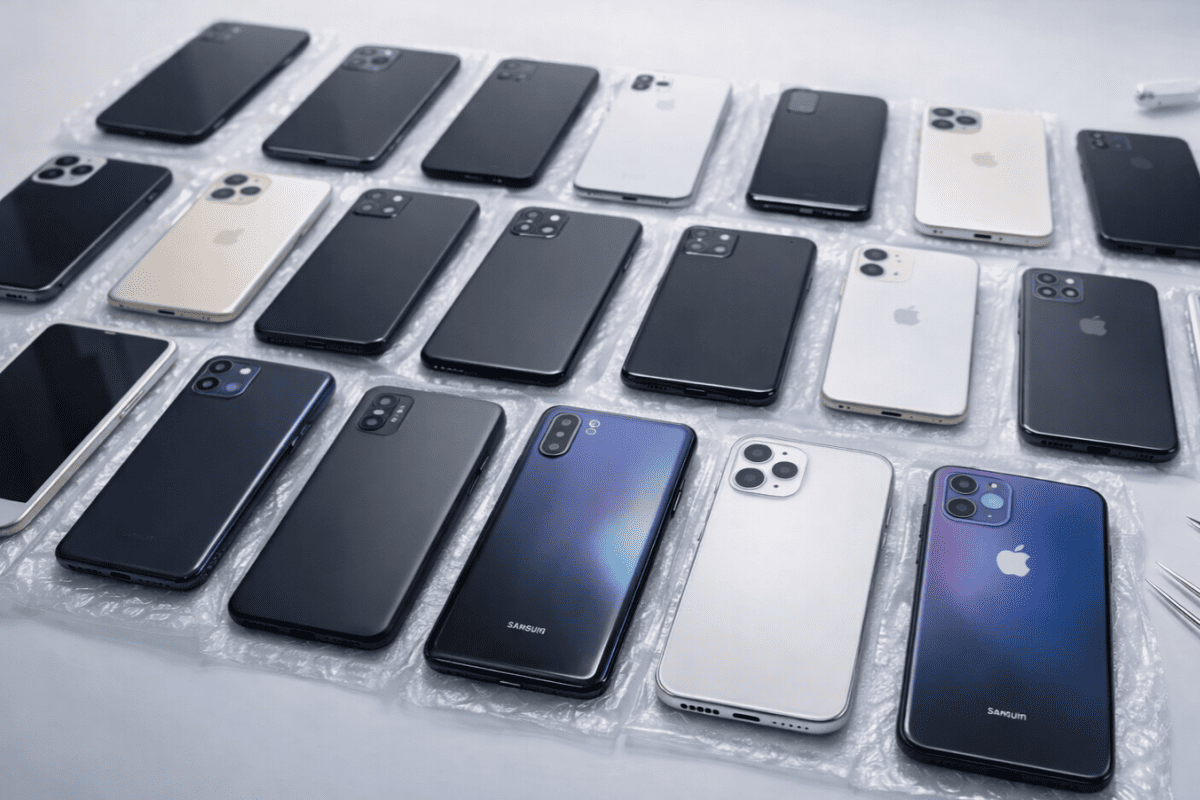
Buying used gadgets lets you own technology at lower prices — a mid-range iPhone might drop from $1,000 to around $400 in two years on the resale market. Yet, many shoppers face devices with hidden issues: dead pixels, battery wear, or locked software, costing time and repair money. Checking a gadget before payment reduces such risks, making the experience more than just gamble.
For example, a 2023 survey found that 35% of secondhand smartphone buyers reported battery or screen faults not visible at first glance. Taking even 15 minutes to inspect a used device changes the odds drastically. Testing connectivity and ports, as well as battery health, reveals defects buyers often overlook.
Simple checks — like plugging headphones or testing camera functions — catch problems that look fine until used. Knowing what matters allows you to confirm the gadget matches the seller’s description precisely.
Mistakes Buying Secondhand
Many buyers trust photos and short demonstrations, ignoring issues beneath surface shine. Sellers might hide scratches behind phone cases or mask screen burn-ins by cycling ads and wallpapers. Skipping battery tests happens frequently — yet batteries below 80% health degrade use and recharge times sharply.
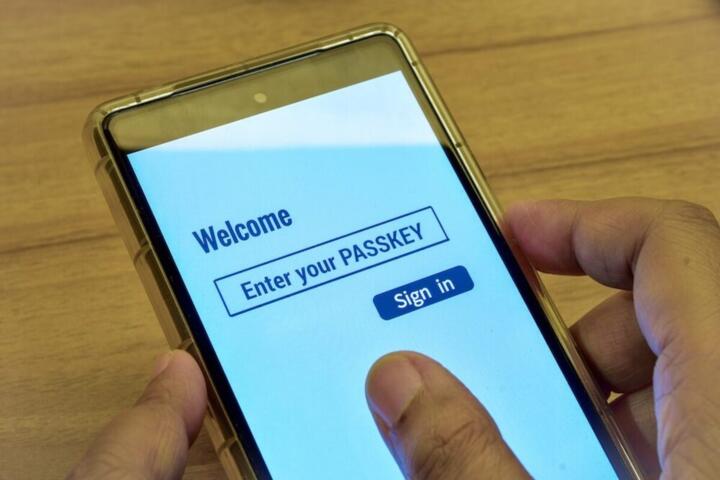
Another pitfall: missing verification steps, such as checking activation locks on smartphones. A device linked to another Apple ID or Google account is harder to use, or even bricked permanently.
Ignoring software checks can lead to buying outdated or unofficial firmware, impacting performance. Then there's the warranty: some buyers skip checking if the original warranty or AppleCare is transferable, losing future support.
Skimping on inspection causes returns and frustration. A laptop with a weak hinge or a cracked keyboard stands out after purchase, not before. With experience, I noticed the inbox keeps winning when people overlook these points.
Checks for Used Devices
Visual and Physical Condition
Check cases for dents, cracks, and screen scratches. Run your finger over edges and corners quickly. Minor chips mean drops; big dents might cause internal damage. Look for signs of water ingress like corrosion around ports or speakers. Use a bright flashlight to detect dead pixels or screen bleeding.
Battery Health Verification
Install apps like AccuBattery on Android or use built-in diagnostics on iOS (Settings > Battery > Battery Health). Batteries below 80% maximum capacity should raise flags. They reduce active time by 20% to 50%, depending on age and use.
Software and Firmware Status
Check the OS version and update availability. Ensure no activation lock or device protection remains engaged. You can verify this with Apple’s Activation Lock status page or Google's Find My Device. Confirm the device isn’t blacklisted for theft or unpaid bills — some services show that by IMEI scan.
Functionality Testing of Buttons and Ports
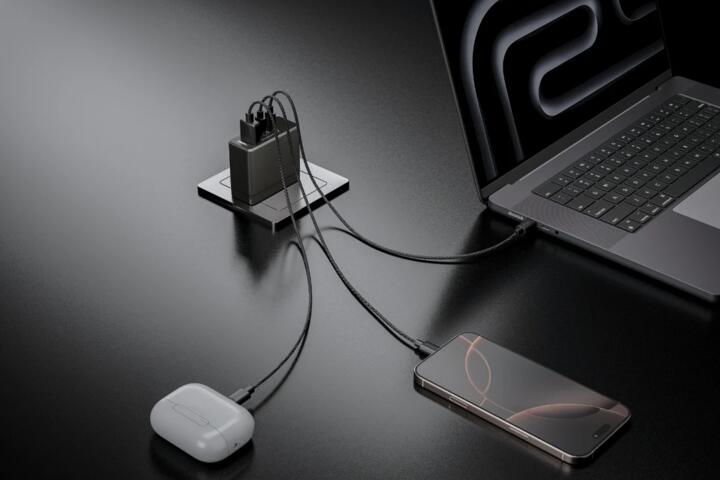
Test volume, power, and home buttons multiple times. Plug in headphones, USB cables, or chargers to verify port health. Many sellers skip these checks or don’t realize loose charging ports cause intermittent failures later on. A charger refusal can drain your patience and wallet.
Camera and Sensor Evaluation
Snap several pictures in different light conditions and record videos to detect focusing or color issues. Test proximity, gyroscope, and accelerometer sensors with free apps like Sensor Box (Android). Broken sensors disrupt daily use, even if screen and battery are fine.
Connectivity and Network Check
Insert your SIM card or ask the seller for a temporary test to gauge 4G/5G network reception. Try Wi-Fi and Bluetooth from multiple ranges. Devices with weak antennas lose signal quickly, frustrating any call or streaming experience.
Storage and Memory Health
Run benchmarks or storage tests using apps like CrystalDiskMark for PCs or Phone Check for phones. Storage with bad sectors or slow read/write speed causes data loss or lag. Confirm reported specs match actual usable space.
Accessories and Inclusion Verification
Check if original chargers, cables, and manuals come with the device. Third-party chargers often degrade device health or void warranties. A complete set boosts resale value and usability.
Price Benchmarking
Research similar models with comparable condition on trusted sites like Swappa or Gazelle. Prices beyond 10% lower than average signals potential hidden faults or fraud risk. Don't chase deals that look 'too good'.
Inspection Benefits Examples
A startup bought 15 used MacBooks listed in good condition from an online auction. Initial visual checks missed internal battery wear. After installing CoconutBattery software, they found 8 had batteries below 60% capacity. They rejected those units, saving about $2,400 in replacement costs. The remaining performed flawlessly for 18 months, lowering their equipment expenses by 40% compared to new units.
A photographer purchased a used Sony A7 III after testing shutter count and lens mount alignment with simple tools. The seller claimed minimal use, but the shutter count was 70,000 — close to the 200,000 life limit but still well-used. The buyer bargained down 15% from the asked price and replaced the shutter mechanism for $300, extending the camera’s life another 3 years.
Useful Inspection Checklist
| Check | Method | What to Look For | Common Warning |
|---|---|---|---|
| Visual | Surface and edges | Scratches, dents, water damage | Hidden cracks, corrosion |
| Battery | Health status apps | Capacity >80% | Rapid discharge |
| Software | Check updates, locks | Unlocked, latest version | Activation locked |
| Buttons & Ports | Manual press, plug testing | All responsive | Loose or unresponsive |
| Camera | Test shoots, videos | Focus, clarity good | Blurry or wonky focus |
| Connectivity | SIM, Wi-Fi, Bluetooth | Stable connection | Signal drops |
| Storage | Benchmark apps | No errors | Slow, bad sectors |
Pitfalls Buyers May Fall Into
Overlooking battery test marks about 20% of failures. Accepting seller claims without proof creates regret quickly. You save time, reduce noise, and the inbox stops winning.
Too often buyers skip firmware status. Phones locked by accounts are nearly impossible to reactivate; you waste money and time chasing after support calls. And testing ports only after purchase feels like paying repairs service fees.
Refusing to look under the hood of software versions leads to outdated security patches — a bad surprise when using mobile payments or work apps. I had a friend buy a phone with custom firmware installing a mysterious overlay that rarely worked the way the docs say.
FAQ
How to check if a smartphone is stolen?
Use the device IMEI on blacklists like CheckMEND or CTIA. Apple and Google offer activation lock checks too. Confirm with the seller’s proof of purchase.
What apps test battery health accurately?
AccuBattery (Android) and coconutBattery (macOS for iPhones) deliver detailed wear reports and charge cycles.
Can I trust photos alone?
No. Photos rarely reveal internal damage or software locks. Always test physically and request demos.
Are original chargers necessary?
Yes. They match voltage requirements. Using third-party chargers risks damage or slower charging.
How do I test camera performance quickly?
Take photos at different zoom levels and lighting. Record video and review for focus lag or artifacts.
Author's Insight
Buying used gadgets personally taught me to always carry a small USB tester and battery health app on my phone. I once let a shiny iPhone go because its activation lock was enabled — a rejection that saved me hundreds. Stress testing buttons and ports helped me avoid devices that failed within months. Every inspection improved my purchase quality, cutting repair hassle by 60%.
Key Takeaways
Check used gadgets visually, test batteries and software, verify connectivity, and compare prices. Carry apps for diagnostics and insist on demos before buying. Skip shortcuts; thorough checks prevent costly surprises and make secondhand tech reliably productive.